 By Daanish Asghar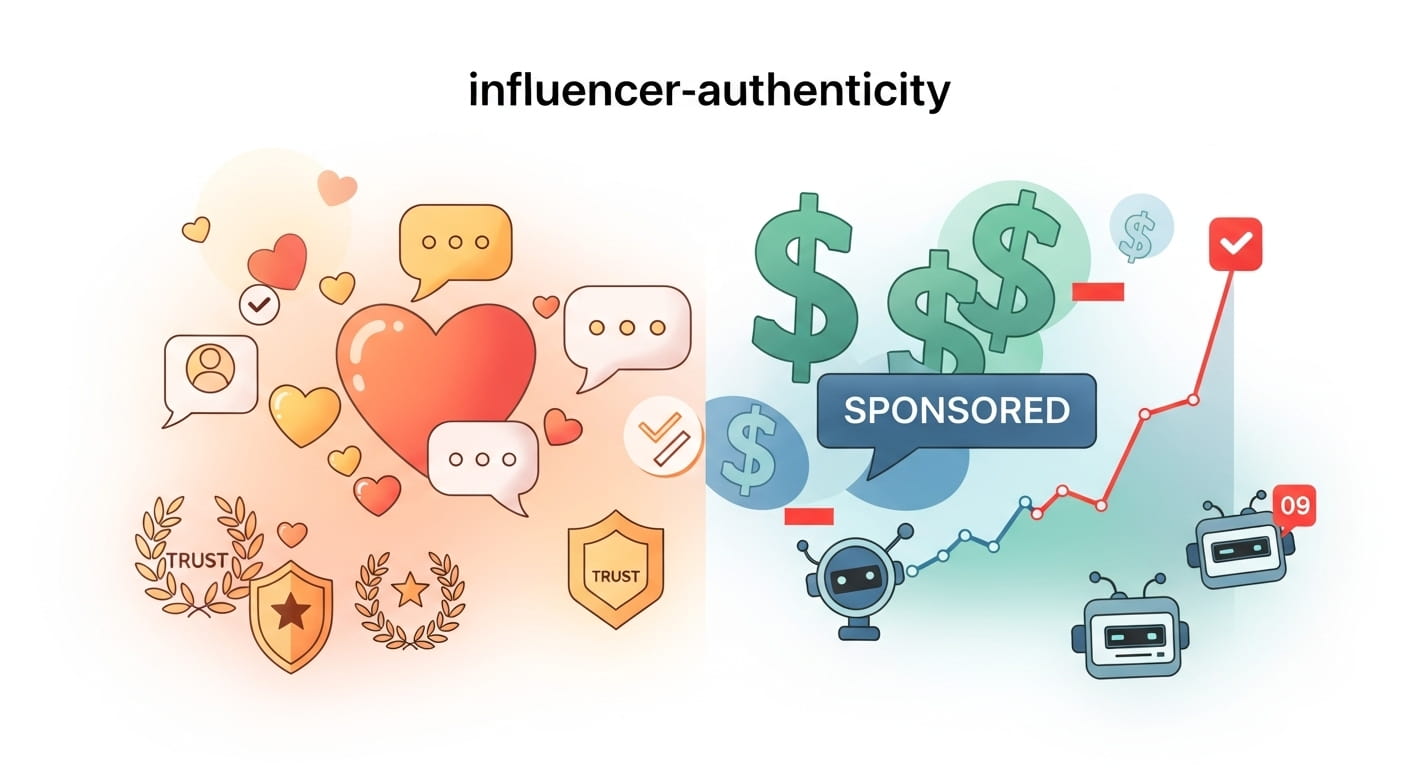
The influencer marketing landscape has reached a critical crossroads in 2025. As social media personalities gain unprecedented power over consumer choices, the boundaries between genuine content and paid promotions have become increasingly blurred. What happens when influencers cross the line between authenticity and advertising? The consequences are far-reaching, affecting not just individual creators but the entire digital marketing ecosystem.
Understanding the Authenticity-Advertising Spectrum
Authenticity in influencer marketing refers to genuine, unfiltered content that reflects the creator’s true experiences and opinions. On the opposite end lies pure advertising—content designed solely to promote products or services for monetary gain. The challenge lies in the vast gray area between these extremes.
The Evolution of Influencer Content
Originally, influencers built their followings through authentic storytelling and genuine connections. However, as monetization opportunities expanded, many creators began incorporating more promotional content, sometimes at the expense of their authentic voice.
Signs That Influencers Have Crossed the Line
Over-Promotion Indicators
Several red flags suggest an influencer has prioritized advertising over authenticity:
- Excessive sponsored posts (more than 50% of content)
- Generic product descriptions lacking personal experience
- Sudden lifestyle changes that align suspiciously with brand partnerships
- Inconsistent messaging that contradicts previous positions
The “Authentic” Advertisement Trap
Some influencers attempt to disguise advertisements as authentic content, using phrases like “I genuinely love this product” while failing to disclose paid partnerships. This deceptive practice undermines trust and violates FTC guidelines.
The Impact on Follower Trust
Immediate Consequences
When audiences detect inauthentic promotional content, the response is often swift and harsh:
| Consequence | Percentage of Followers | Time Frame |
| Unfollow | 34% | Within 24 hours |
| Reduce Engagement | 58% | Within one week |
| Share Negative Comments | 23% | Immediately |
| Warn Others | 19% | Within 48 hours |
Long-term Trust Erosion
The damage extends beyond immediate metrics. Trust erosion can take months or years to repair, affecting an influencer’s ability to drive genuine engagement and sales.
Research conducted by platforms like www.influencersgonewildco.uk shows that influencers who cross authenticity lines experience a 40% decrease in engagement rates over six months.
Legal and Regulatory Consequences
FTC Guidelines and Violations
The Federal Trade Commission has specific requirements for sponsored content disclosure. Violations can result in:
- Monetary fines up to $43,792 per violation
- Cease and desist orders
- Public censure affecting reputation
- Legal action from deceived consumers
Platform Penalties
Social media platforms have implemented their own consequences:
- Reduced algorithm visibility
- Demonetization of content
- Account warnings or suspensions
- Loss of verification status
The Psychology Behind Crossing Lines
Financial Pressure and Temptation
Many influencers face significant pressure to monetize their platforms, especially as competition increases. The temptation to accept lucrative deals—even if they compromise authenticity—can be overwhelming.
Audience Growth Desperation
Some creators believe that partnering with major brands will enhance their credibility and attract more followers, leading them to compromise their authentic voice for perceived status.
The Gradual Slide
Often, influencers don’t intentionally cross lines. Instead, they experience a gradual erosion of standards, accepting slightly more promotional work until their content becomes predominantly advertising-focused.
Case Studies: When Things Go Wrong
The Fitness Influencer Scandal
In 2024, several fitness influencers promoted unregulated supplements without proper disclosure, resulting in follower backlash, legal action, and permanent damage to their credibility. Many lost 70% of their followers within three months.
Beauty Brand Overexposure
Multiple beauty influencers faced criticism for promoting competing products within days of each other, revealing their lack of genuine product loyalty and prioritization of financial gain over authentic recommendations.
Brand Consequences and Reactions
Partnership Terminations
Brands increasingly terminate partnerships with influencers who cross authenticity lines, recognizing that associated reputation damage outweighs potential benefits.
Stricter Vetting Processes
Companies now implement more rigorous screening processes, evaluating:
- Historical content patterns
- Engagement authenticity
- Audience feedback about credibility
- Alignment with brand values
Audience Reactions and Behaviors
The Savvy Consumer Revolution
Modern audiences, particularly Gen Z consumers, have become sophisticated at identifying inauthentic content. They actively research product claims and cross-reference influencer recommendations with independent reviews.
Community Policing
Social media communities increasingly self-regulate, with followers calling out influencers who cross authenticity lines. This crowd-sourced accountability has become a powerful force in maintaining standards.
Alternative Platform Migration
When influencers lose credibility on one platform, audiences often migrate to newer, more authentic creators rather than following the compromised influencer to other platforms.
The Ripple Effect on the Industry
Market Saturation Concerns
Over-commercialization by some influencers has contributed to market saturation, making it harder for all creators to maintain audience attention and engagement.
Platform Algorithm Changes
Social media platforms have adjusted their algorithms to prioritize authentic engagement over promotional content, affecting reach for overly commercial creators.
Advertiser Skepticism
Brands have become more cautious about influencer partnerships, demanding greater transparency and authenticity verification before investment.
Recovery Strategies for Compromised Influencers
The Authenticity Reset
Influencers who recognize they’ve crossed lines can implement recovery strategies:
- Transparent acknowledgment of past mistakes
- Reduced promotional content (returning to 70-80% authentic posts)
- Selective brand partnerships that align with genuine interests
- Direct audience engagement to rebuild trust
Content Diversification
Successful recovery often involves diversifying content types to demonstrate genuine expertise and personality beyond product promotion.
Best Practices for Maintaining Authenticity
The 80-20 Rule
Industry experts recommend the 80-20 approach: 80% authentic, non-promotional content and maximum 20% sponsored posts.
Genuine Product Testing
Authentic influencers spend significant time testing products before promotion, sharing both positive and negative experiences to maintain credibility.
Transparent Communication
Clear, prominent disclosure of partnerships and honest discussions about why specific brands were chosen help maintain audience trust.
The Role of Micro-Influencers
Higher Authenticity Standards
Micro-influencers (10K-100K followers) often maintain higher authenticity standards due to closer audience relationships and greater accountability to their smaller communities.
Sustainable Monetization
These creators typically develop more sustainable monetization strategies that don’t compromise their authentic voice, serving as examples for larger influencers.
Technology’s Impact on Detection
AI-Powered Analysis
Advanced artificial intelligence tools now help brands and audiences identify potentially inauthentic content patterns, making it harder for influencers to disguise promotional material.
Blockchain Verification
Emerging blockchain technologies offer potential solutions for verifying authentic product experiences and transparent partnership disclosures.
Future Implications and Trends
Regulatory Tightening
Expect stricter regulations governing influencer advertising disclosure and authenticity requirements, with heavier penalties for violations.
Platform Innovation
Social media platforms will likely introduce new features to help users distinguish between authentic and promotional content more easily.
Consumer Education
Ongoing efforts to educate consumers about identifying authentic vs. promotional content will continue shaping audience expectations and behaviors.
Conclusion
What happens when influencers cross the line between authenticity and advertising? The consequences are severe and multifaceted, affecting trust, engagement, legal standing, and long-term viability. The digital marketing ecosystem is increasingly self-correcting, with sophisticated audiences, platform algorithms, and regulatory frameworks working together to maintain authenticity standards. Check More at https://www.whatabigailsays.co.uk/
The most successful influencers of 2025 are those who recognize that authenticity isn’t just an ethical choice—it’s a business imperative. By maintaining genuine connections with their audiences and approaching brand partnerships thoughtfully, they build sustainable, trustworthy brands that benefit everyone involved.
Moving forward, the industry will likely see continued evolution toward greater transparency, authenticity verification, and consumer protection. Influencers who adapt to these changing expectations will thrive, while those who continue crossing lines will find themselves increasingly marginalized in the digital landscape.